
The way young Arabs unwind is changing fast. Thanks to the tech boom, everything from streaming platforms to social media, gaming in the Middle East, and esports is shaking up traditional ways we use to have fun. In this piece, we’ll look into how digital transformation is reworking what leisure time means for youth across the Arab world. We’ll explore the rise of streaming, the attraction of online communities, the explosion of mobile games, and what this transformative change means for the future.
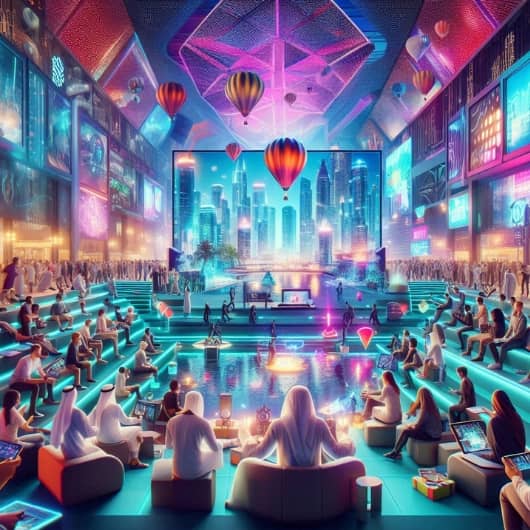
The Digital Revolution in Arab Leisure and Entertainment
Just a decade ago, watching whatever was on TV in the evening was the norm. You grab the remote and keep switching channels until you find something that resonates with you. Now, streaming platforms like Netflix, Shahid, and OSN are changing the game. People pick what they want, when they want it. They binge series during Ramadan or catch movies on the weekends and all at their leisure. The latest options mean you can watch straight from your smart TV or directly from your mobile phone.
This shift is all part of digital transformation where media content is no longer tied to schedules. It’s all based on demand. And that frees up youth to explore international shows, discover niche content, or follow creators from around the world. Suddenly, local storytellers can reach regional audiences without going through traditional networks.
Also, with better internet access and cheaper mobile plans, more households are online enjoying activities like streaming, sharing, and engaging. That’s fueling MENA entertainment growth. Local productions are investing more, ensuring there is a never-ending selection of content. Originals are being made with Arab themes, settings, voices. And you might wonder, why is this happening? The answer is in huge demand. Entertainers are learning that Arab youth want to see themselves on screen, not just subtitles or dubbed content.
Why Online Communities Matter More Than Ever
Part of what makes this transformation stick is people. Real people, connecting in real time. In forums, chats, comment sections, and live video streams. The rise of influencers and micro-communities means that social media isn’t just for keeping up, it is the centre of entertainment.
Platforms like TikTok, Instagram, Snapchat, and Twitter give young Arabs a way to express identity, culture, humor. Memes spread fast. Challenges travel across borders. That shared experience makes online culture super important. Youth aren’t just consuming, they’re creating, remixing, sharing.
Then there are live streaming platforms and virtual hangouts. On these platforms, youth are watching gamers play live, reacting together, joining group voice chats, and sharing tips. All that builds loyalty and belonging. In some cases, it even spills over into real life events as youths who share a common interest tend to plan meetups, esports tournaments, and pop-ups.
For the online gaming niche, this is especially interesting. The model of live engagement, communities, and loyalty programs, which are all drawn from digital trends in entertainment, informs how users approach online gaming sites. Entertainment behaviour online doesn’t happen in isolation; habits from streaming or social gaming feed into expectations which are instant gratification, social proof, rewards.
The Rise of Mobile Gaming in the Gulf
If you step into the streets of Gulf countries and you ask young people what they do for fun, many would say “I’m just playing games on my phone.” Mobile gaming has exploded. Because smartphones are portable, internet is fast, and people want entertainment that’s convenient.
Titles from casual puzzle games to MMORPGs and social multiplayer scenarios are hugely popular. E-sports is no longer niche and has exploded in popularity as it’s being taken seriously. Tournaments, sponsorships, college leagues feature massive prize pools and viewership continues to grow.
Recently markets like Saudi Arabia and UAE rank among the top in mobile game revenue globally. Both local and international Developers are tailoring content for Arabic speakers, offering UI or storylines that match the cultural landscape.
Across the Gulf, mobile gaming is also a driving force for innovation especially in areas like augmented reality and cloud gaming with social features built in. And these trends loop back into how youth consume all entertainment including short form videos, interaction, rewards, and community.
Streaming Platforms
Streaming isn’t just movies and shows. There are audio streaming options like podcasts, and music streaming, which have also transformed relaxation time. People create and follow playlists, discover new artists. Podcasts about culture, politics, tech, humor are more accessible than ever.
Then there’s interactive streaming which is a recent gamechanger. Live Q&A with creators, virtual concerts, gaming streams, and watch-parties are just some to mention. What used to require big venues or broadcast rights can now happen in someone’s bedroom, accessible to thousands of people.
Platforms are also experimenting with mixing content. You will find platforms combining gaming, music, talk shows, and even gambling-style engagement (where legal systems permit). With these ample supply of options and crossover genres, entertainment never dulls.
Esports: From Backyard Tournaments to Big Stage Glory
In many parts of the Middle East, esports weren’t taken too seriously ten years ago. Today? Big sponsors, pro teams, regional tournaments are the new talk of the day. Titles like League of Legends, Dota 2, PUBG Mobile, and Fortnite are huge attractions. These games bring tens or hundreds of thousands of viewers during live events.
Young Arabs are seeing esports not just as something to watch, but as something to aspire to. There are training programs, colleges offering scholarships, and influencers building careers. The ecosystem around esports which is built on streaming, sponsorship, coaching, broadcasting are part of the digital transformation in how people see entertainment and possibility.
Implications for Online Entertainment Behavior
So, what do all these shifts mean for online culture and how people behave digitally? A few things:
- Expectations for ease and speed. If platforms can incorporate skippable ads, allowing crossovers and live interaction, people will be more drawn to these platforms.
- Monetization and rewards. Young people are used to in-app purchases, subscriptions, micro-transactions, and digital rewards. This translates to loyalty bonuses, in-game currency, VIP tiers which are all influenced by gaming and streaming business models.
Challenges & Cultural Considerations
While there is great concern as to the erasure of culture due to the development of technology, it can be stated that tech doesn’t erase culture or laws.
Entertainment has to respect local norms whether religious or social. When it comes to creating content, creators often walk a fine line. They push boundaries, but try not to offend. Platforms have to adapt while ensuring they maintain language and cultural sensitivity.
Also, internet infrastructure varies. Not all areas have high-speed broadband. Mobile data can be expensive. That shapes what kinds of entertainment thrive. This is why mobile-first, low-bandwidth options, short video content tend to do better in many places.
There’s also the concern over screen time, digital wellbeing, misinformation. As more entertainment moves online, balancing access with responsibility becomes more important for platforms that want to remain in the game.
What the Future Looks Like
In the future, tech and culture is expected to collide, and what that looks like will be very different for every region. Looking forward, we can expect advancements like:
- Virtual reality (VR) and augmented reality (AR) entertainment experiences, whether concerts, storytelling, social hangouts.
- More localized game development: Arab developers building titles that reflect local stories, languages, cultures.
- Better convergence between entertainment forms: streaming, gaming, and social media merging. You can imagine watching a show where you vote live, or games intertwined with live-action content.
- Regulatory evolution: some countries may loosen restrictions, others will tighten the knot. Tech companies will need to stay nimble, adapt, and improve.
Success will likely depend on how well platforms can adapt entertainment behavior, including social proof, community, usability, cultural appropriateness, and legal compliance.
Conclusion
Technology is doing more than digitizing old entertainment; it’s bringing new ideas and reinventing it. Young Arabs aren’t just passive viewers anymore; they’re creators, players, and community members. From streaming platforms to social media to gaming in the Middle East and esports, entertainment is now interactive, mobile, and socially connected.
That shift tells us a lot about MENA entertainment and its trajectory. If you’re in tech, media, or marketing, understanding how youth engage with digital content is key. The rules of leisure are being rewritten, and it is time to join the story or get left behind.

Gaming Expert with extensive experience in the industry, both online and offline, Stephen Abiola is a passionate writer with a proven track record of creating content. His main areas of specialty include reviews, sports guides, bonus articles, and much more. So far, he has written thousands of gaming-related articles and hopes to create more content to help new and existing players learn tips on how to win. During his spare time, Stephen plays video games and monitors the happenings in NFL, NBA and EPL.