
Let’s say you land your dream job, win a jackpot, or bump into the right person at the right time, these amazing events are usually what people ascribe to luck. But when life throws something tough your way, it’s often called “destiny.” The truth is, we all wonder: how much of life is in our hands, and how much is written in the stars?
In Arab culture, the forces of ḥaẓẓ (luck) and qadar (destiny) go beyond mere words. They shape how people think, act, and make sense of life’s ups and downs. It’s not just philosophy; it’s a way of seeing the world, mixing faith, hard work, and chance into one fascinating blend. In this piece, we will take a look into how this timeless idea still shapes every aspect of modern life including business, gaming, and even psychology.

The Arab View of Luck and Destiny: A Dance Between Faith and Fate
In many Arab societies, qadar or destiny is deeply tied to Islamic belief. It’s the idea that everything happens for a reason and is ultimately part of God’s divine plan. Whether good or bad, every event is seen as written long before it unfolds. But here’s where it gets interesting: people still pray, hustle, and hope for ḥaẓẓ (luck) that little sprinkle of good fortune that makes all the difference.
Unlike in some Western cultures, where “luck” often feels random or tied to superstition, in Arab thought it’s connected to divine timing. You might hear someone say, “It’s written” (maktub), meaning destiny decides it. Yet they’ll also knock on wood, wear a charm, or make a du’a (prayer) before an exam or big business deal, looking to boost their chances.
It’s this balance between surrender and effort that gives Arab culture its poetic take on life. You believe in fate, but you still put in the work to make sure things work out right, whether it’s at your love life or even at the casino.
Luck Around the World: Different Cultures, Same Curiosity
Every culture regardless of its belief system seeks the answer to the same question, do we make out luck, or does it find us?
In Japan, luck is tied to rituals and spirits. The idea is pretty simple; toss a coin at a shrine, tie a wish on a tree, and maybe fortune smiles your way. In Western countries, people rely on positive thinking and manifestation, a mix of psychology and self-belief. Meanwhile, in Arab societies, the concept of barakah (blessing) plays a huge role. It’s not just luck, it’s a sacred energy that flows from gratitude, prayer, and good deeds.
Across the globe, people chase the same goal: a sense of control in a world full of chance. Whether you call it luck, karma, or divine favor, it’s humanity’s way of explaining why life sometimes plays fair and sometimes doesn’t.
The Psychology of Luck: Science Meets Spirituality
Psychologists say luck might not be magic, rather it’s all about your mindset. People who consider themselves lucky often behave differently. They stay alert for opportunities, trust their gut, and bounce back from failure faster. In other words, their belief in luck creates lucky outcomes.
In the Arab world, this idea isn’t so far from tradition. Tawakkul ( trusting in God’s plan) doesn’t mean sitting back and doing nothing. It means you work hard, and then let go of what you can’t control. That trust actually reduces anxiety and boosts confidence, both proven ingredients for success.
So, whether you pray before a game or visualize your victory, you’re tapping into the same psychological effect. With hope, you can create action.
The Balance Between Hard Work and Divine Will
Let’s face it, no one gets anywhere on luck alone. Even the most blessed stories have a lot of hard work behind them. Arab proverbs capture this perfectly. “Trust in God, but tie your camel.” In simpler terms, this means even with the evidence of destiny, you should not skip your responsibilities.
That’s the sweet spot between effort and faith. You prepare, you plan and grind, but you still acknowledge something bigger than yourself might steer the outcome. This blend creates resilience. When life doesn’t go your way, you don’t lose hope; you believe it wasn’t your time. When things do work out, you’re grateful.
Stories That Challenge the Idea of Fate
Think of famous entrepreneurs, athletes, or musicians whose lives looked lucky from the outside. Unknown to you, luck was behind their persistence.
In the Arab world, successful people like Naguib Sawiris or Huda Kattan often come up. Both built empires that seem blessed by fortune, but their stories show how determination shapes destiny. Sawiris transformed a small family company into a telecom giant. Huda Kattan turned makeup videos into a billion-dollar beauty brand.
Sure, timing and opportunity played roles, but their success also proves something deeper: luck rewards the prepared.
Even in religion, there’s the story of Prophet Yusuf (Joseph). Betrayed by his brothers and sold into slavery, his destiny seemed doomed. But every twist of fate, good or bad, led him toward greatness. That’s the spiritual side of the same message: every bad hand can still lead to a win.
Luck in Modern Life And in Games of Chance
Today, people test luck in new ways. Whether it’s from business ventures to online casinos. In many Arab countries, gambling is restricted, but the psychology behind it fascinates people worldwide. It’s not really about the money, it’s about that thrilling mix of risk, faith, and chance.
Gamers and investors alike share that moment of suspense, when control meets uncertainty. Whether you’re spinning a roulette wheel or launching a start-up, your mind is playing the same game: What if today’s my lucky day?
Science calls this the dopamine effect because our brain loves unpredictability. Spiritually, it’s the same human craving that drives prayer or belief in destiny: the hope that something greater might tip the scales in our favor.
When Luck Turns Sour: Coping with Bad Destiny
Of course, not every story ends with sunshine. When misfortune strikes, it’s easy to feel unlucky or cursed. But culturally, the Arab mindset encourages acceptance. An old proverb says “What was meant for you will reach you, even if it’s beneath two mountains,”.
This belief doesn’t erase pain but it gives it meaning. Psychologists agree that believing in a greater purpose behind suffering helps people recover faster.
People who see destiny as purposeful are often more emotionally resilient. They grieve, but they don’t stay stuck. They trust that even bad luck might lead to hidden blessings. And often, it does.
Science vs. Spirituality: Who’s Right About Luck?
Science says luck is probability or a mathematical roll of the dice. Spirituality says it’s divine and a plan beyond our logic. The truth may live somewhere in between.
Quantum physics, for instance, tells us that chance is built into the universe itself. Every atom moves unpredictably. That randomness might be what we call luck.But psychology adds another layer: our beliefs shape outcomes. People who expect good fortune tend to spot and grab opportunities faster.
So maybe the line between fate and free will isn’t as sharp as we think. Maybe we co-author our destinies simply by half by effort, half by mystery.
Cultural Beliefs That Keep Luck Alive
Even in today’s digital world, luck rituals remain powerful. Arabs still say “Inshallah” (God willing) before making plans, “Mashallah” (as God willed) to protect from envy, and “Alhamdulillah” (thank God) in gratitude.
These words aren’t superstition rather they’re a daily reminder of balance. You act, but you stay humble. You dream big, but you trust God’s plan. The same goes for players who trust their instincts before a spin or deal, it’s that universal human rhythm between hope and humility.
Can We Control Our Fate?
So, how much control do we really have? Maybe more than we think but never all of it.
Luck might open doors, but you still have to walk through them. Destiny might write the script, but you choose how to perform your part. From Arab philosophy to modern psychology, there is one thing that never changes: your attitude toward fate shapes your experience of it.
So what’s the best approach? Live with faith, act with purpose, and stay open to surprises.
Final Thoughts: Between Heaven and the Dice
At the end of the day, luck and destiny aren’t opposites, they’re partners. One gives us meaning, the other gives us motion. The Arabs understood that long ago.
Whether you’re chasing dreams, betting on yourself, or hoping for a lucky break, you have to remember, fortune favors the faithful and the bold alike.
So, go ahead. Take the chance, trust the plan, and let destiny do its thing. After all, life’s greatest wins often come when luck and effort finally intertwine.
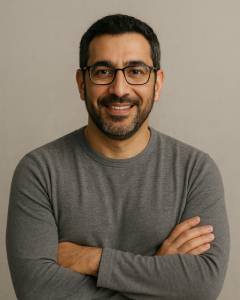
Gaming Expert with vast experience in the gambling industry, specializing in casino and sports betting. With 7 years of hands-on expertise, he brings a deep understanding of the gaming world to his writing. A passionate writer, he thrives on creating engaging content that educates and informs. Outside of work, John is an avid football fan and loves the thrill of skyjumping.